

Property Auction Insights
March 2026
As we review the performance of the UK property auction market in 2025, the sector continues to show steady activity despite a housing market still adjusting to economic and policy changes. Auctions remain an established route for buyers and sellers who want speed, certainty, and transparent price discovery, particularly for properties that require refurbishment, redevelopment, or specialist investment.
This edition of Property Auction Insights examines how the market performed across the year, with a look at sales volumes, capital raised, and the types of property coming through auction catalogues. The data also highlights how activity varies by property type and region, offering a clearer picture of the assets that continue to attract investor demand.
With borrowing costs still influencing buyer behaviour and regulatory changes continuing to reshape parts of the private rented sector, auctions remain an important channel for both portfolio restructuring and value led investment opportunities.
Focus On: 2025 | Year in Review
The auction market continued to grow in 2025, with increases in both the number of lots sold and the total funds raised across the year. The figures suggest steady demand for auction property, supported by active investor participation and a continued flow of stock suited to the auction method of sale. While monthly results showed the usual seasonal movement, the overall picture is one of stability in a housing market that remained shaped by higher borrowing costs and cautious lending conditions.
The number of lots sold rose from 28,253 in 2024 to 29,026 in 2025, an increase of around 2.7%. Activity remained concentrated around the traditional peak auction months. February and September again recorded some of the strongest volumes, with 3,135 and 3,354 lots sold respectively. The autumn period also performed well, with October exceeding 3,000 lots sold and November showing a noticeable increase compared with the previous year.
Total funds raised also moved higher, increasing from £5.54 billion in 2024 to £5.87 billion in 2025. Several months delivered strong results. February generated £683 million, while July passed £650 million. September again recorded the highest monthly total, raising just over £690 million. One of the more notable shifts came at the end of the year, with December raising £595 million compared with £483 million in the same month of 2024.
Average sale prices remained relatively consistent across the year. Many months saw averages close to or above the £200,000 mark, reflecting continued demand for investment stock and development opportunities. February recorded one of the highest monthly averages at £217,906, while November remained strong at £225,227. The year ended with December averaging just over £212,000, indicating solid buyer competition in the final sales of the year.
Annual Comparison 2024 to 2025
Overall, 2025 demonstrated the resilience of the auction sector. Despite a property market still adjusting to interest rate levels and ongoing changes affecting landlords and investors, auctions continued to provide liquidity and price discovery. With a steady increase in sales volumes, higher total funds raised, and broadly stable sale prices, the auction market remained a reliable route for both buyers and sellers navigating a more measured housing market.
Lots Sold
Total Raised
Average Sale Price
Focus on: How Property Types Shape the Auction Market
Auctions bring a wide range of property to the market. The mix of residential and commercial assets often reflects where activity is building in the wider property sector. This section looks at the types of properties sold through auction and how that mix has shifted in recent years. Changes in housing supply, landlord behaviour, and redevelopment activity all influence the types of assets that appear in auction catalogues.
The breakdown also shows how demand varies across different property types and regions. From smaller flats and traditional terraced housing to mixed use commercial investments, the data highlights the diversity of stock that continues to move through the UK auction market.
National Analysis
The mix of property types coming through auction provides a useful indicator of where activity is building across the market. While overall volumes fluctuate year to year, the underlying composition of stock often reflects wider trends in the housing market, investor demand, and changes affecting landlords and developers.
Breakdown
Residential property continues to dominate the auction sector, with traditional housing types forming the largest share of stock. Terraced houses remain the most common asset sold through auctions. In 2025 they accounted for roughly one third of all residential lots sold. Although volumes eased compared with the peak seen in 2024, the category has still grown by close to 50% since 2021. These properties remain attractive to investors due to relatively lower entry prices and the potential to add value through refurbishment.
Semi detached houses also represent a large portion of residential auction stock, making up around 17% of residential sales in 2025. This category has expanded significantly over the past five years, with volumes around 75% higher than in 2021. Detached houses follow a similar trajectory. Even with a slight drop in 2025, the number of detached homes sold at auction is still more than 60% higher than five years ago.
One of the most notable shifts has been the rise in flats coming to auction. In 2025 flats represented roughly one quarter of all residential lots sold, making them the second largest residential category. The number of flats sold has increased by almost 80% since 2021. This trend may reflect a mix of factors, including leasehold challenges, refurbishment requirements, and landlords restructuring portfolios in response to tax changes and evolving rental regulations.
Bungalows have also shown steady growth. The number sold through auction has more than doubled since 2021, although they still represent a relatively small proportion of overall residential stock. These properties often attract both investors and owner occupiers, particularly where there is scope for redevelopment or extension.
Residential
2025
Commercial
2025
The commercial auction market presents a different profile. Mixed use properties now form the largest segment of commercial sales, representing close to half of all commercial lots sold in 2025. This category has grown by nearly 50% since 2021. These buildings often combine retail or commercial space at ground level with residential accommodation above, creating diversified income streams that continue to attract investor interest.
Retail properties remain the second largest commercial category. While volumes have remained relatively stable over the past five years, their share of the overall commercial auction market has gradually reduced as mixed use opportunities have increased.
Other commercial sectors remain smaller in scale but consistent in activity. Office, leisure, and industrial properties each account for a modest share of auction stock. Many larger assets in these sectors tend to trade privately, while auctions often handle smaller regional units, redevelopment opportunities, or vacant premises.
Key Growth in Residential Properties
When residential sales are analysed by bedroom count, the typical auction property remains a two or three bedroom home. Three bedroom houses make up the largest share of semi detached and terraced stock sold through auctions, reflecting the structure of the UK housing market more broadly. Two bedroom homes also form a significant proportion, particularly among terraced houses and bungalows. Flats are heavily concentrated in smaller units, with one bedroom properties accounting for the majority of flat sales in 2025.
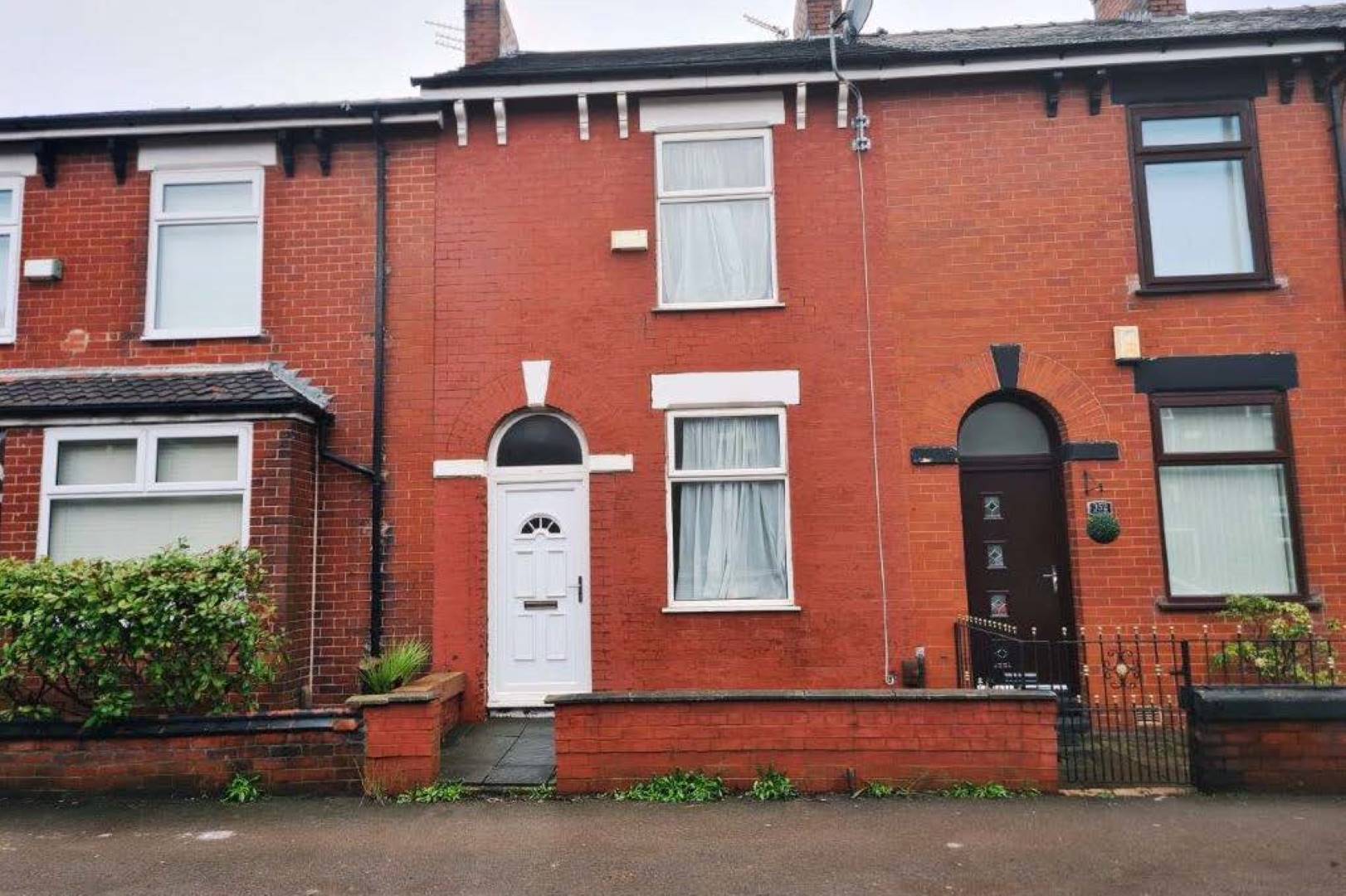
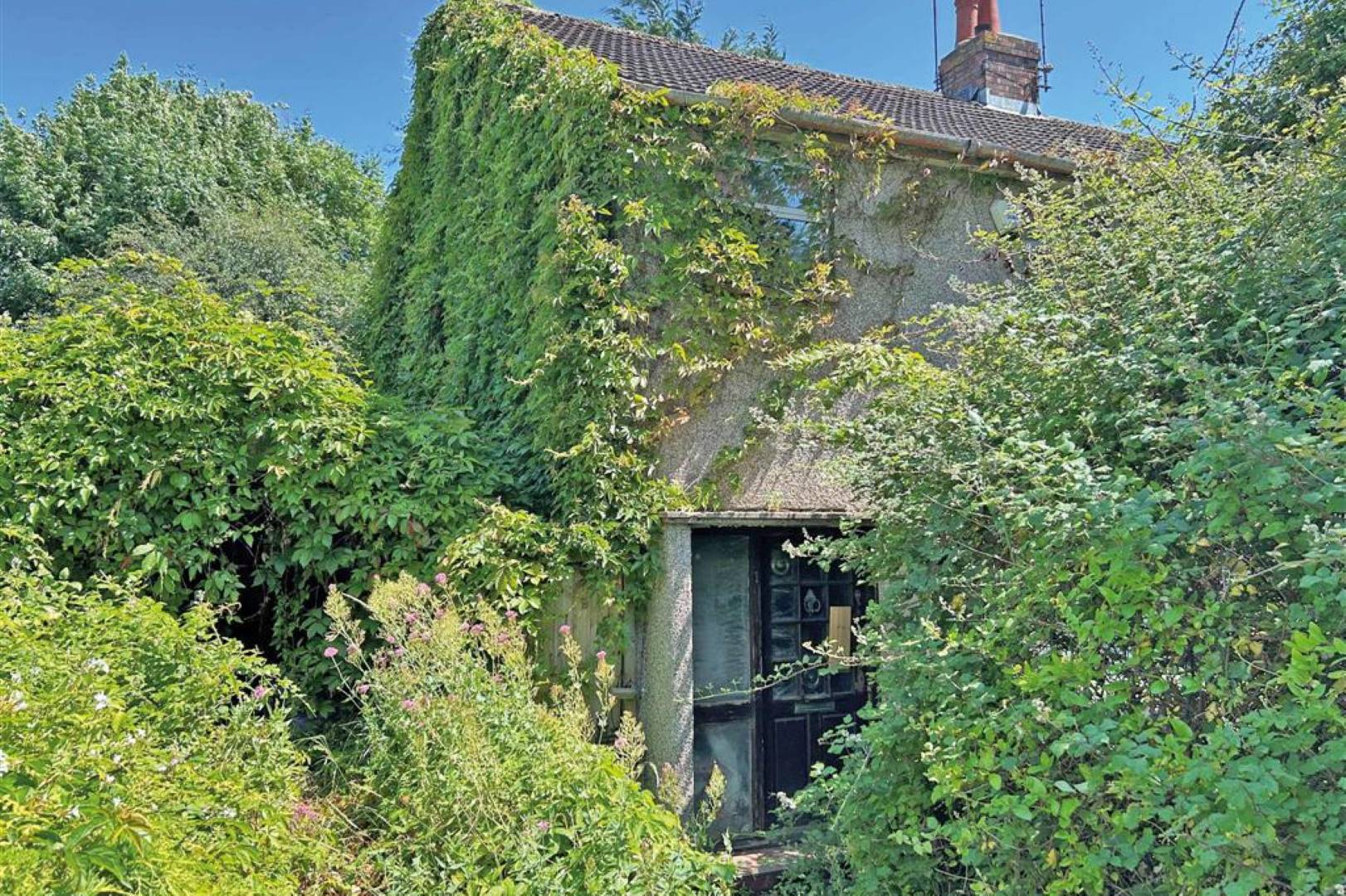
Average Sale Prices & Example Properties










Regional Analysis
Regional patterns also reveal how different housing types are distributed across the country. In the North West, terraced housing forms a particularly large share of auction sales. The region accounts for more than one fifth of all terraced houses sold through auction in 2025, reflecting the strong supply of this housing type across northern cities and towns.
London presents a different picture. Flats dominate the capital’s auction market, accounting for well over half of residential lots sold in the region during 2025. This reflects the structure of London’s housing stock, where leasehold flats are far more common than houses.
Across the Midlands and parts of the South East, the mix is more balanced. Semi detached and terraced homes form a large proportion of auction stock, supported by a steady pipeline of smaller residential investments and redevelopment opportunities.
London
Properties sold in 2025
London
Properties sold in 2025
Taken together, the property type breakdown highlights the breadth of the auction sector. Auctions continue to act as a marketplace for a wide range of assets, from small residential investments to mixed use commercial buildings. The data also reflects how the sector adapts to wider housing market pressures, with changing landlord behaviour, redevelopment activity, and shifting investor demand all influencing the types of properties coming to sale.
Regional Data
Every quarter we will be including regional data from the past five years, including the number of lots sold and the average sale price, and now average yield too. This allows you to track what is happening across the country, to spot trends, and see how changes in the wider market may be affecting auctions.
The data in these charts consist of all auction sales on a quarterly basis, including individual single lot sales.
Data for all unconditional auction sales.
Data for all unconditional auction sales where there is an income.
London
South East Home Counties
South West
Yorkshire & The Humber
North West
North East
West Midlands
East Midlands
East Anglia
Scotland
Wales
North West Home Counties
Northern Ireland
Regional Data Analysis
As with any part of the property market, auction activity doesn't happen in a vacuum. Broader economic factors can all impact both volume and pricing at auction. What we often see is that these changes show up in auction data before they're reflected in the wider market, making it a useful early indicator for spotting emerging trends. Tracking this data over time gives a valuable view of how different parts of the country respond to market pressures, and where opportunities may be emerging.
Closing Summary
The data from 2025 reinforces the role auctions continue to play within the wider UK property market. While broader market conditions have remained measured, the sector has maintained consistent activity and a diverse supply of stock.
Changes in the types of properties coming to auction, alongside steady sales volumes and strong capital raised, reflect how buyers and sellers are adapting to current market conditions. Investors continue to seek refurbishment and redevelopment opportunities, while sellers use auctions to achieve speed and certainty in an environment where traditional transactions can take longer to complete.
Looking ahead, economic conditions, lending costs, and ongoing housing policy changes will continue to influence the types of properties entering the auction market. As the sector evolves, auctions are likely to remain a key marketplace for properties that require investment, repositioning, or an efficient route to sale.

If there are any topics you would like us to focus on in future releases, or you have any feedback or thoughts you would like to share, please contact us on insights@eigroup.co.uk.
David Leary
Director
PS. Our next edition will be released in June 2026, so if you are not already on our newsletter mailing list, sign up today!
Disclaimer: The figures in this newsletter are based on sales data provided to us by the auctioneers.